
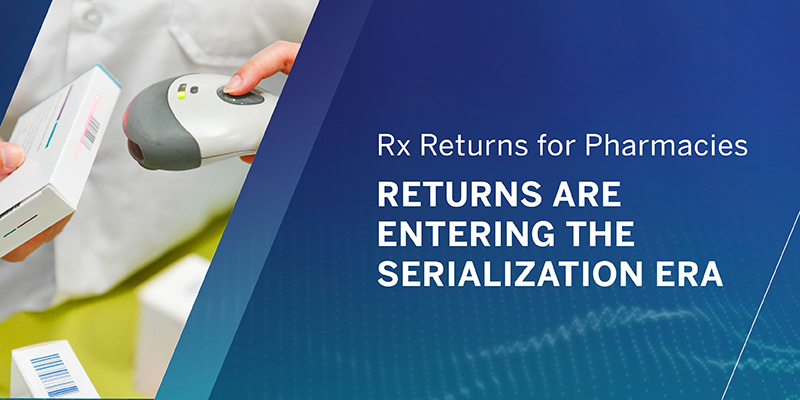
Serialization has reshaped how pharmaceuticals move through the supply chain. Much of the attention has focused on outbound distribution and regulatory compliance, but returns are increasingly part of the picture as well.
New data from Inmar, shared as part of the 96th edition of the HDA Factbook released in November 2025 and discussed during a recent industry webinar, shows that serialization is becoming more embedded in the returns process. More serial numbers are being captured during returns, and more manufacturers are using returns data to support decommissioning and traceability efforts.
As serialization matures, expectations around accuracy, visibility and documentation are rising. For pharmacies, this shift means returns are no longer just about removing unsaleable products from inventory—they are becoming a key checkpoint in maintaining supply chain integrity.
What Serialization Means in the Returns Process
Serialization assigns a unique serial number to individual drug packages. This allows products to be tracked through the supply chain and verified at each step.
In the returns process, serialization helps confirm product authenticity, validate eligibility and support accurate decommissioning of serial numbers once a product can no longer be sold. As more serialized products move through returns workflows, expectations for accuracy and visibility increase.
More Serial Numbers Are Being Captured During Returns
Recent data shows progress in how serialized products are handled during returns.
In 2025, about 60 percent of serial codes scanned during the returns process were successfully captured, up from 55 percent in prior years. This reflects broader adoption of scanning practices and improved systems for handling serialized data.
However, scan rates vary widely by pharmacy type. Retail pharmacies capture a higher percentage of serial codes during returns than hospital pharmacies, where complex workflows and decentralized inventory can make scanning more challenging.
Manufacturers Are Using Returns Data More Actively
Serialization is not only about compliance. Manufacturers are increasingly using returns data to support downstream decisions.
About half of manufacturers now use returns data to decommission serial numbers. This step is essential to maintaining accurate records and preventing returned or expired products from reentering the supply chain.
As this practice becomes more common, pharmacies play a critical role in ensuring that serialized data is captured correctly at the point of return.
Why Serialization Raises the Stakes for Returns Accuracy
Serialization adds precision to the returns process, but it also raises expectations.
Incomplete scans, mismatched records or missing documentation can create gaps in traceability. These gaps may delay credit processing, complicate audits or increase compliance risk.
As serialization becomes more embedded across the supply chain, returns workflows that lack visibility or consistency are more likely to be exposed.
Hospital and Retail Challenges Differ—but the Goal Is the Same
The data shows meaningful differences in serialization performance across pharmacy settings. Hospital pharmacies, in particular, capture a smaller share of serial codes during returns compared with retail settings.
These differences reflect operational realities, such as centralized distribution, multiple storage locations and varied handling practices. While the challenges differ, the underlying goal remains the same: ensuring returned products are accurately identified and properly documented.
Serialization Is Moving Beyond Compliance
Early discussions around serialization often focused on meeting regulatory requirements. Today, the conversation is broader.
Serialization data can support:
- Improved inventory visibility
- Faster identification of returned or recalled products
- More accurate reconciliation and documentation
When integrated effectively, serialization helps returns move from a reactive task to a more controlled and transparent process.
Preparing for What Comes Next
Serialization in pharmaceutical returns is still evolving. As scan rates increase and manufacturers make greater use of returns data, expectations for accuracy and consistency will continue to rise.
Pharmacies that invest in clear processes and reliable data capture are better positioned to adapt as these expectations grow. Serialization is no longer confined to outbound compliance—it is becoming a defining element of how returns are managed.
Optimize your pharmacy returns process