
HOW GROCERS CAN GUIDE HEALTHIER CHOICES ACROSS THE SHOPPER JOURNEY
At Nourishing Change, the conversation centered on a shared opportunity: helping people make better choices in the places where food, health, and everyday routines already come together.
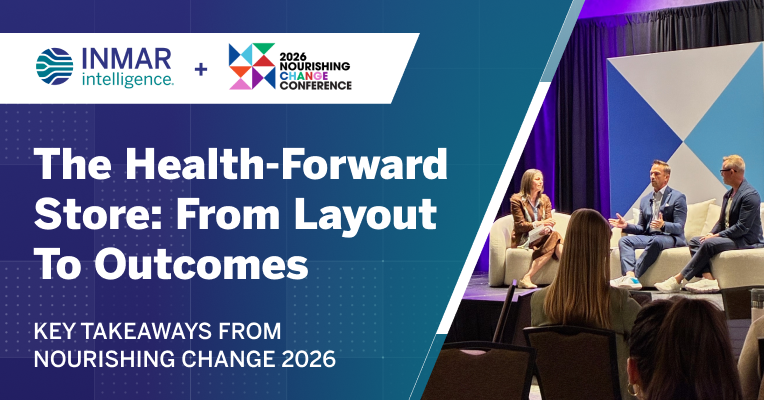
During the breakout panel, "The Health-Forward Store: From Layout to Outcomes," leaders from FMI, Inmar Intelligence, and Ahold Delhaize USA explored how grocers can shape more supportive health experiences across the shopper journey. By looking at how health guidance has shifted from broad, one-size-fits-all messages to more connected and personalized experiences, the discussion grounded the future of health-forward retail in the real decisions shoppers make every day. Panelists focused on the role of data, personalization, store design, incentives, pharmacy, and digital engagement in reaching shoppers from pre-shop planning to in-store decisions and post-purchase engagement.

Vice President, FMI

Health Partnerships & Stakeholder Engagement, Ahold Delhaize

Vice President Omnichannel Retail, Inmar Intelligence
Here are key takeaways grocers need to be thinking about for their business:
STORES PLAY A LARGE ROLE IN EVERYDAY HEALTH
Historically, nutrition guidance often asked consumers to interpret broad recommendations on their own. Shoppers heard messages like “eat healthy,” follow the food pyramid, or shop the perimeter of the store. Those ideas created awareness, but they placed a lot of responsibility on the consumer to translate guidance into action.
Today’s shoppers bring more knowledge and more specific needs into the store. Many understand the role of protein, fiber, carbohydrates, sodium, and balanced meals. They also increasingly connect food choices with personal health goals, medication management, and condition-specific needs.
"We’ve moved well beyond the days of simply telling consumers to ‘eat healthy’ because today’s shoppers are much more informed, goal-oriented, and focused on outcomes." Brian shared from the stage.
"They’re thinking about protein intake, fiber consumption, weight management, medications, chronic conditions, and overall wellness. What they need now is help translating those goals into everyday choices. Retailers and brands have an opportunity to become trusted guides, helping consumers navigate the right decisions both online and in-store."
For grocers, this creates an opportunity to make the store a more guided experience. Health-forward retail helps shoppers move from intention to action by making relevant choices easier to find, understand, and act on.
HEALTH GUIDANCE WORKS BEST WHEN IT FITS THE MOMENT
A key theme from the session was the importance of identifying the moments that matter most. Retailers have many opportunities to influence choices: digital planning, search, aisle navigation, shelf messaging, promotions, pharmacy touchpoints, loyalty programs, and checkout.
The strongest experiences connect those moments with a clear purpose. A shopper planning meals for a diabetic-friendly diet may need different support than someone looking for high-protein snacks, low-sodium swaps, Mediterranean diet staples, or GLP-1-friendly options. The opportunity sits in helping each shopper understand what fits their goals and why it matters.
Data and technology can help retailers deliver guidance that feels timely and useful. When retailers connect pre-shop intent with in-store activation, they can support shoppers with relevant prompts, incentives, and recommendations at the point of decision.
PERSONALIZATION SHOULD FEEL SUPPORTIVE, AND SIMPLE
Personalized health experiences require balance. Shoppers want help, but they want that help to feel natural, trusted, and easy to use.
That means retailers need to design experiences that reduce friction. A health-forward store should help shoppers navigate choices with confidence across digital and physical touchpoints. This might include personalized offers, nutrition-forward content, shelf cues, digital nudges, pharmacy integration, and loyalty-driven recommendations that connect to the shopper’s goals.
Speaking to how retailers, CPGs, technology partners, health organizations, and pharmacy teams all play a role in shaping the shopper experience, Brian commented on how stronger collaboration can help connect consumer intent, product discovery, incentives, and measurable outcomes.
“The future of retail health is about creating a connected ecosystem that guides consumers from intention to action. That means empowering associates, leveraging data to personalize recommendations, and aligning incentives that help people make sustainable lifestyle changes. Retailers are uniquely positioned to become one of the most trusted health touchpoints in a consumer’s daily life.”
LOOKING AHEAD TO A MORE CONNECTED SHOPPER JOURNEY
Health-forward retail starts with the moments shoppers already rely on: planning meals, filling prescriptions, comparing choices, redeeming offers, and deciding what goes in the cart. The opportunity now is to connect those moments with guidance that feels useful, personal, and easy to act on.
Ready to explore what that could look like for your business? Fill out the below form to connect with our team and start the conversation.